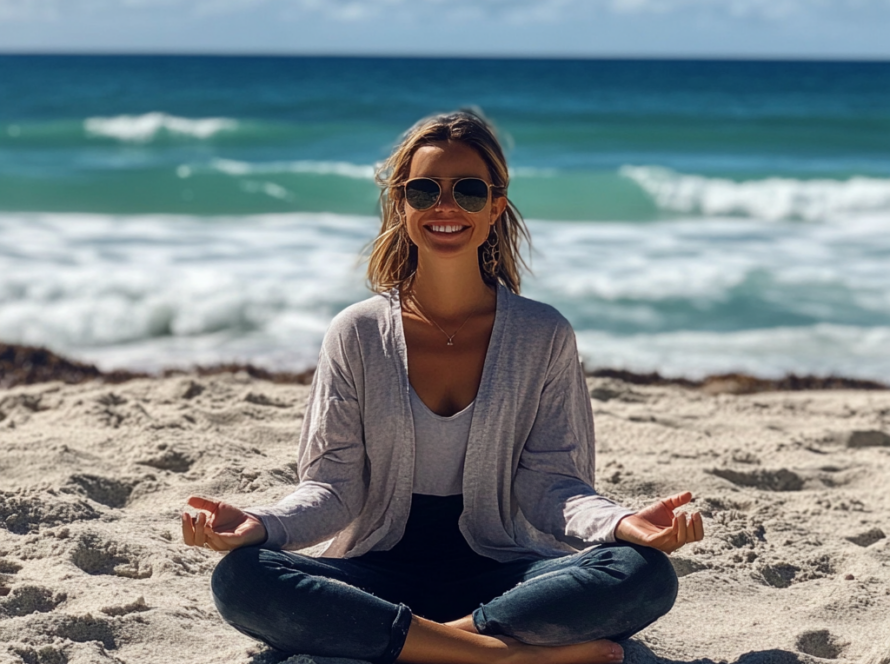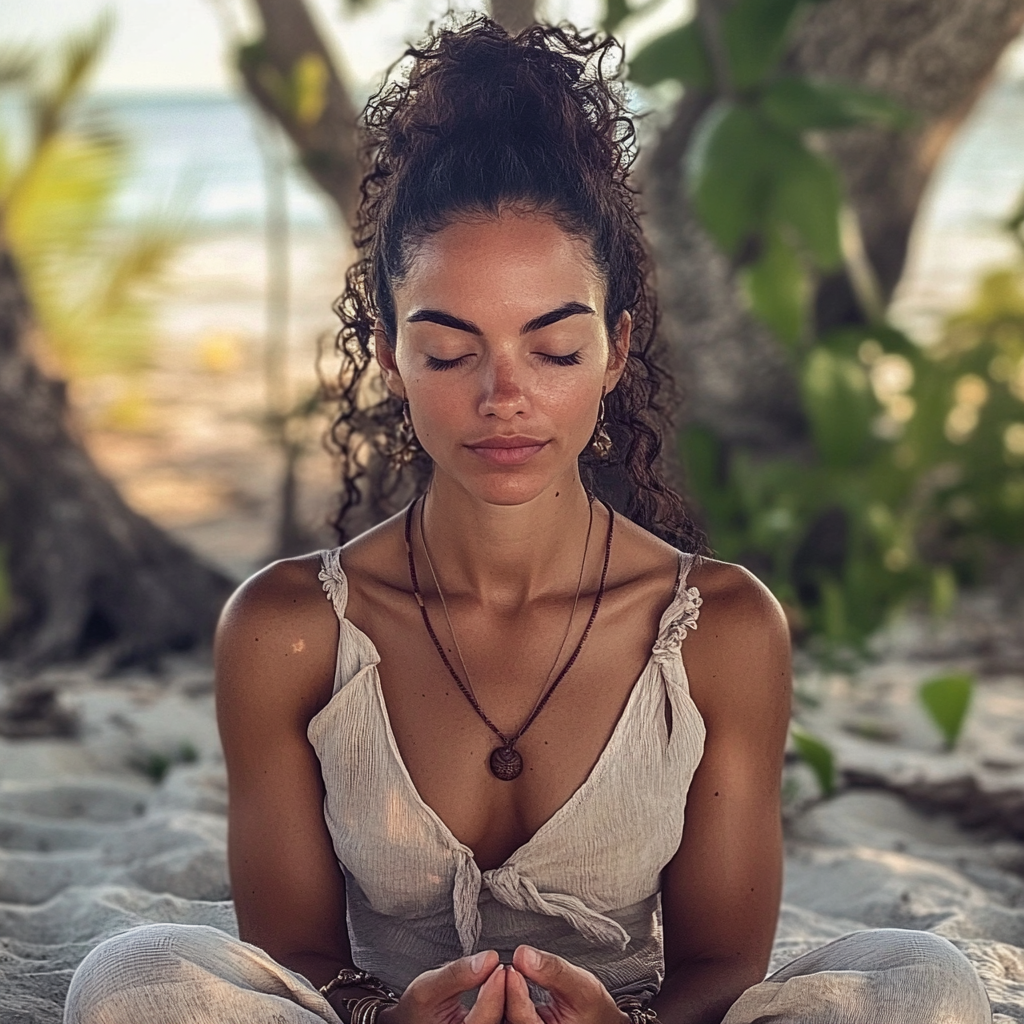
In a world that’s often bustling and chaotic, taking time for yourself can feel like a luxury. Yet, meditation and mindfulness offer a sanctuary of peace and clarity, inviting you to reconnect with your inner self. This guide is designed for beginners, providing a step-by-step approach to help you embark on a transformative journey. By understanding what meditation and mindfulness really are, exploring different techniques, creating a nurturing environment, overcoming challenges, and discovering useful resources, you’ll find it easier to incorporate these practices into your daily life. Let’s dive in!
Simple definitions of meditation and mindfulness
Meditation is a practice that involves focusing your mind to achieve a state of calm and clarity. It often includes techniques like concentrating on breath, repeating a mantra, or visualizing peaceful imagery. The goal is to quiet the mental chatter and cultivate a sense of inner peace. In essence, meditation is your mind’s workout, helping you build the mental muscles needed for relaxation and focus.
Mindfulness, on the other hand, is the art of being present in the moment. It encourages you to engage fully with your surroundings, sensations, and thoughts without judgment. Practicing mindfulness means observing your experiences—whether it’s a beautiful sunset or the taste of your morning coffee—without getting lost in thoughts about the past or future. Together, meditation and mindfulness create a harmonious duo, enhancing your overall well-being.
In simple terms, think of meditation as a dedicated time to train your brain, while mindfulness is about weaving awareness into your everyday life. Both practices complement each other and can lead to improved emotional health, reduced stress, and a deeper appreciation for the simple moments that make life beautiful.
Different types of meditation explained
There is a rich tapestry of meditation styles, each offering unique benefits. One popular form is breath awareness meditation, where you focus solely on your breath. This simple yet powerful technique helps anchor your thoughts and can be practiced anywhere—just close your eyes, take a deep breath, and let go of distractions as you tune in to the natural rhythm of your breathing.
Another engaging type is guided meditation, where you listen to a teacher or a recording that leads you through the process. This is especially helpful for beginners who may struggle with maintaining focus. Guided meditation can take you on a journey through visualizations, soothing landscapes, or even narratives designed to promote relaxation and healing. It’s like having a friendly coach in your ear, making the experience enjoyable and accessible.
Lastly, consider exploring loving-kindness meditation (Metta). This practice involves silently repeating phrases of goodwill and compassion towards yourself and others. By cultivating feelings of love and kindness, you gradually expand your capacity for empathy and connection. Embracing these various forms of meditation allows you to find the style that resonates most with you, making the path to mindfulness even more rewarding.
How to create a conducive environment for practice
Setting the stage for your meditation practice is essential for creating a space that feels inviting and peaceful. Start by choosing a quiet location where you won’t be disturbed. This could be a cozy corner of your living room, a dedicated meditation room, or even a serene spot in your garden. The key is to find a place that feels comfortable and personal, allowing you to relax fully.
Next, consider the ambiance of your space. Soft lighting, soothing colors, and minimal clutter can enhance your environment. You might want to add elements that inspire tranquility, such as plants, candles, or calming artwork. If you’re inclined, try playing gentle background music or nature sounds to help set the mood. This sensory environment will signal to your brain that it’s time to shift into a state of relaxation.
Lastly, establish a consistent time for your meditation practice. Whether it’s early in the morning or right before bed, having a routine will help reinforce this sacred time for yourself. Consistency builds habit, and over time, you’ll find that your special meditation nook becomes a haven where you can effortlessly escape into mindfulness.
Tips for overcoming common beginner challenges
As you start your meditation journey, you may encounter challenges that can feel discouraging. One common hurdle is a wandering mind. It’s completely normal for thoughts to pop up, but instead of fighting them, simply acknowledge them and gently guide your focus back to your breath or chosen meditation technique. Think of your thoughts as clouds passing by; they’ll drift away, and you can return to your practice without judgment.
Another obstacle can be physical discomfort. Sitting still for extended periods might feel challenging, especially for beginners. To combat this, experiment with different postures—sitting on a chair, using cushions, or even lying down if that feels better for you. The goal is to find a position that allows you to remain alert yet comfortable, allowing your body to relax while your mind engages in the practice.
Finally, don’t forget that meditation is about progress, not perfection. It’s perfectly okay to have sessions where you feel restless or distracted. Embrace these moments as part of the learning curve. Keep your practice light-hearted and gentle, and remember that every minute spent in meditation is a step towards greater awareness and well-being. Celebrate your efforts and enjoy the journey!
Resources for guided meditations and apps
Now that you’re equipped with the basics, let’s talk about some excellent resources to enhance your practice. Apps like Headspace and Calm offer a wealth of guided meditations tailored to various levels and needs. Whether you’re looking for a quick stress-relief session or a deeper dive into mindfulness, these apps make it easy to find the right meditation at your fingertips.
YouTube is another fantastic resource for free guided meditations and mindfulness exercises. Channels like The Honest Guys and Jason Stephenson provide soothing guided sessions that can help ease you into the practice. A simple search can yield an abundance of content, from short five-minute meditations to longer sessions focused on specific themes like gratitude or relaxation.
Finally, consider exploring podcasts focused on meditation and mindfulness. Shows like Meditative Story combine storytelling with guided meditation techniques, offering a unique and engaging experience. With so many resources available, you’ll never feel alone on your journey. Dive in, explore, and find what resonates with you, and remember: every moment spent in practice is a gift to yourself!
Congratulations on taking the first steps towards incorporating meditation and mindfulness into your life! By understanding the definitions, exploring different techniques, creating a supportive environment, and arming yourself with resources, you’re well on your way to experiencing the myriad benefits these practices offer. Remember that the journey may not always be straightforward, but patience and persistence are key. Embrace your practice with joy, and watch as your life transforms, one breath at a time. Happy meditating!