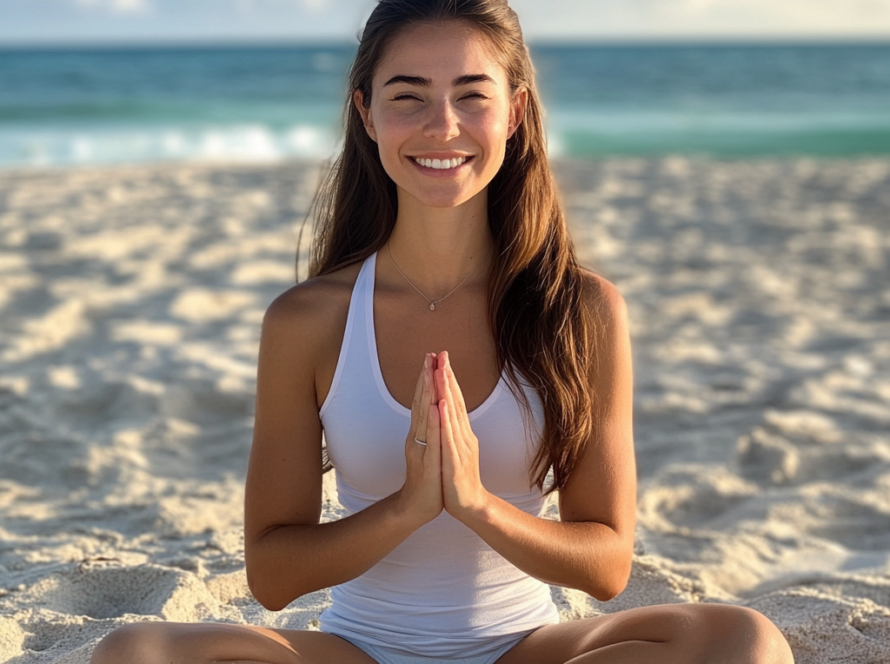
Meditation for anxiety is one of the most widely recommended non-pharmaceutical interventions by therapists, psychiatrists, and psychologists worldwide. Anxiety disorders are the most common mental health condition globally — affecting over 284 million people — and the evidence for meditation as an effective, lasting treatment has never been stronger.
This guide provides a deep understanding of why anxiety occurs, exactly how meditation counters it at the neurological level, and the most effective techniques you can begin using today.
Understanding Anxiety: What Is Actually Happening in Your Brain?
Anxiety is not simply “worrying too much” — it is a neurological pattern rooted in the amygdala, the brain’s threat-detection center. When the amygdala perceives danger (real or imagined), it triggers the hypothalamic-pituitary-adrenal (HPA) axis, flooding the body with cortisol and adrenaline.
In people with chronic anxiety, this alarm system becomes hypersensitive — firing repeatedly in response to non-threatening situations, thoughts, or anticipations of future problems. The prefrontal cortex, which should modulate these responses with rational perspective, becomes overwhelmed and loses its regulatory influence.
This is precisely where meditation for anxiety intervenes most powerfully.
How Meditation Rewires an Anxious Brain
Regular meditation produces measurable structural changes in the brain that directly address the neurological underpinnings of anxiety:
- Amygdala shrinkage: Studies show that 8 weeks of mindfulness meditation reduces the volume and reactivity of the amygdala — literally calming the brain’s alarm system
- Prefrontal cortex strengthening: Meditation increases cortical thickness in the prefrontal cortex, improving its ability to regulate emotional responses
- Default Mode Network regulation: Anxious minds tend to have an overactive default mode network (the brain’s “rumination center”). Meditation reduces DMN activity, decreasing repetitive anxious thinking
- Vagal tone improvement: Meditation increases heart rate variability (HRV) — a marker of vagal tone — which directly measures the nervous system’s capacity to self-regulate after stress
6 Most Effective Meditation Techniques for Anxiety
1. Mindfulness-Based Stress Reduction (MBSR)
The gold standard meditation program for anxiety, MBSR was developed by Dr. Jon Kabat-Zinn at the University of Massachusetts. The 8-week program combines formal meditation (breath awareness, body scan, mindful movement) with informal daily mindfulness practice. Meta-analyses consistently show MBSR produces large reductions in anxiety, with effects comparable to antidepressant medication in some studies.
2. Diaphragmatic Breathing Meditation
Deep belly breathing directly activates the vagus nerve, triggering an immediate parasympathetic response that counteracts anxiety’s physiological symptoms within minutes. Practice: place one hand on your chest and one on your belly. Breathe so that only the belly hand rises. Inhale for 4 counts, exhale for 6. The longer exhale is the key — it activates the “rest and digest” response and lowers heart rate.
3. Noting Meditation
Particularly effective for anxiety involving intrusive thoughts: as you meditate, mentally “note” or label whatever arises — “thinking,” “planning,” “worrying,” “sensation,” “sound.” This creates a crucial distance between you and your mental content, weakening the anxious mind’s tendency to fuse with its own narratives. The very act of labeling a thought reduces its emotional charge.
4. Loving-Kindness Meditation (Metta) for Social Anxiety
For those whose anxiety centers on social situations or harsh self-criticism, Loving-Kindness meditation is particularly effective. Research shows it reduces self-criticism, increases self-compassion, and decreases social anxiety by systematically cultivating warmth and goodwill toward oneself and others. Start with: “May I be safe. May I be healthy. May I be at peace. May I live with ease.”
5. Grounding Meditation: The 5-4-3-2-1 Technique
This technique is especially useful during acute anxiety episodes or panic attacks to interrupt the stress cycle and re-anchor awareness in the present moment. Name: 5 things you can see, 4 things you can physically feel, 3 things you can hear, 2 things you can smell, 1 thing you can taste. This sensory inventory pulls the mind out of future-oriented anxious thinking and back into the body and present environment.
6. Open Awareness Meditation
Instead of focusing on a single object like the breath, open awareness meditation involves expanding attention to encompass the entire field of experience — sounds, sensations, thoughts, emotions — without preferring or avoiding anything. This practice builds a spacious, accepting relationship with anxiety itself, gradually removing the secondary layer of “anxiety about anxiety” that so often amplifies the original distress.
Building a Daily Meditation Practice for Anxiety Management
For meditation to effectively treat anxiety, consistency is more important than duration. Here is a sustainable daily structure:
- Morning (10 min): Diaphragmatic breathing or breath-awareness meditation to set a calm tone for the day
- Midday (5 min): STOP practice or grounding technique if anxiety spikes during the day
- Evening (10–15 min): Body scan or open awareness meditation to process the day and prepare for restful sleep
When to Seek Professional Support
Meditation is a powerful complement to anxiety treatment, but it is not a replacement for professional care when anxiety is severe or debilitating. If your anxiety is significantly interfering with daily functioning, relationships, or work, please consult a mental health professional. Meditation works best as part of a comprehensive approach that may include therapy (particularly Cognitive Behavioral Therapy or MBCT), and in some cases medication.
Conclusion: Meditation as Your Daily Anxiety Antidote
The evidence is clear: meditation for anxiety is not a hopeful aspiration but a clinically validated intervention with measurable effects on brain structure, nervous system function, and subjective well-being. The key is consistent, daily practice — even 10 minutes a day produces meaningful change over weeks and months.
At Pacis-path, we offer a comprehensive library of meditation resources to support your journey to freedom from anxiety. Start with the techniques above, practice daily, and be patient — real transformation takes time, but it does come.