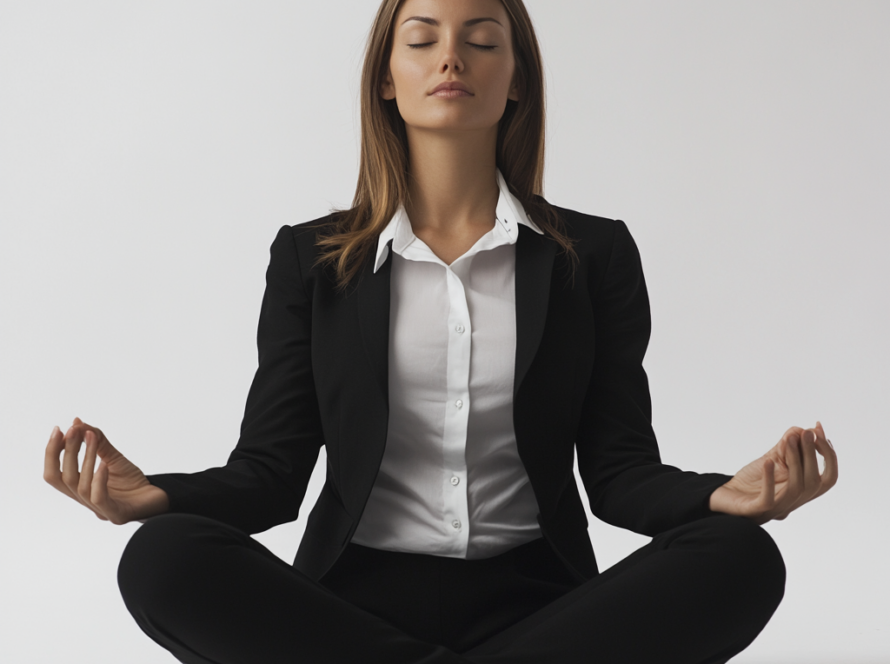
Meditation for stress relief has become one of the most sought-after solutions in today’s high-pressure world. With workplace burnout at record levels and anxiety disorders on the rise globally, meditation offers a scientifically proven, side-effect-free path to lasting calm and mental resilience.
In this guide, you will discover five powerful meditation techniques specifically designed to reduce stress — whether at work, at home, or in the middle of a difficult day.
Why Stress Is a Modern Epidemic
The World Health Organization has identified work-related stress as a global health crisis. Chronic stress triggers a cascade of physiological responses — elevated cortisol, disrupted sleep, impaired immunity, and increased risk of cardiovascular disease. The mental toll is equally devastating: anxiety, depression, and burnout affect hundreds of millions worldwide.
What makes meditation for stress uniquely effective is that it addresses the root cause — the mind’s habitual patterns of rumination and reactivity — rather than merely suppressing symptoms.
How Meditation Reduces Stress: The Science
When we experience stress, the amygdala — the brain’s alarm system — triggers the fight-or-flight response. Cortisol and adrenaline flood the bloodstream, heart rate spikes, muscles tense, and higher thinking becomes impaired.
Regular mindfulness meditation for stress physically reshapes the brain. MRI studies show that consistent meditators develop a smaller, less reactive amygdala and a thicker prefrontal cortex — the region governing calm, rational thought. This neuroplasticity means that with practice, you literally rewire your brain to respond to challenges with equanimity rather than panic.
5 Powerful Meditation Techniques for Stress Relief
1. The 4-7-8 Breathing Technique
Developed by Dr. Andrew Weil, this breathing method is one of the fastest ways to calm an activated nervous system. Inhale quietly through your nose for 4 counts, hold your breath for 7 counts, then exhale completely through your mouth for 8 counts. The extended exhale activates the vagus nerve, triggering an immediate parasympathetic (rest-and-digest) response. Repeat four times.
This technique can be practiced anywhere — at your desk before a difficult meeting, in your car before a challenging conversation, or in bed when stress is keeping you awake.
2. Five-Minute Mindfulness Meditation
A brief but highly effective mindfulness practice for stress: close your eyes, bring your full attention to the sensation of breathing, and simply observe thoughts and feelings as they arise and pass without getting pulled into them. When distracted, gently return to the breath. Even five focused minutes can measurably reduce cortisol and restore mental clarity.
3. Progressive Muscle Relaxation (PMR)
Stress is stored in the body as physical tension. PMR systematically releases it: starting with your feet, tense each muscle group firmly for five seconds, then release completely. Move upward through calves, thighs, abdomen, chest, hands, arms, shoulders, and face. By the time you finish, your body will be noticeably more relaxed — and a relaxed body signals safety to a stressed mind.
4. The STOP Technique
A micro-meditation practice that can be used at any moment of stress: Stop what you are doing. Take a conscious breath. Observe what is happening in your body, thoughts, and emotions without judgment. Proceed with greater awareness and intentionality. This powerful pause interrupts the automatic stress response and creates space for a more measured response.
5. Loving-Kindness Meditation for Stress
When stress stems from interpersonal conflict or harsh self-criticism, Loving-Kindness (Metta) meditation is particularly effective. Begin by silently wishing yourself well: “May I be happy. May I be healthy. May I be at peace.” Then extend these wishes to loved ones, neutral people, and even those with whom you have conflict. Research shows this practice reduces hostility, increases positive emotions, and activates brain regions associated with compassion and well-being.
Building a 30-Day Stress Relief Meditation Program
Sustainable stress reduction comes from consistent, progressive practice. Here is a simple 30-day program:
- Week 1 (5 min/day): Morning breath-awareness meditation before starting work
- Week 2 (10 min/day): Add a 5-minute STOP practice at midday
- Week 3 (15 min/day): Incorporate a body scan or PMR session in the evening
- Week 4 (20 min/day): Combine techniques based on your stress level and needs
Mindfulness at Work: How Leading Companies Use Meditation
Companies including Google, Apple, Nike, and Aetna have embedded meditation programs into their cultures with measurable results. Aetna reported that their mindfulness program saved the company an estimated $2,000 per employee in healthcare costs and gained approximately $3,000 per employee in productivity annually.
Whether or not your workplace offers formal programs, you can create your own personal stress-relief practice using the techniques in this guide.
Conclusion: Make Meditation Your Daily Stress Shield
The five techniques presented here are not quick fixes — they are skills. Like physical fitness, the benefits of meditation for stress relief compound over time with consistent practice. Start with just one technique, practice it daily for a week, and notice the difference in how you respond to life’s inevitable pressures.
Pacis-path is your companion on this journey. Explore our full range of meditation resources, programs, and guided practices to build a life of greater calm, clarity, and resilience.